
oplus_32
oplus_32
oplus_32
oplus_32
 Finding My People in Whanganui
Reflections from the Costume and Textile Society of New Zealand Annual Symposium
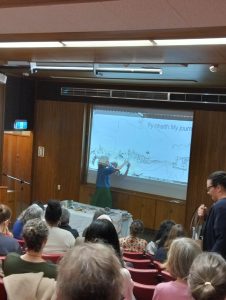
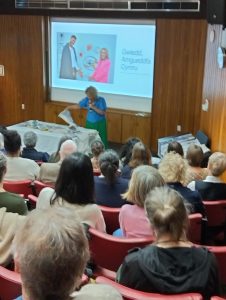
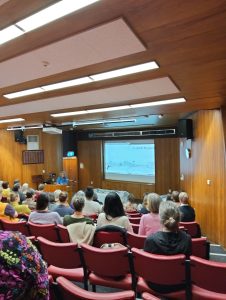
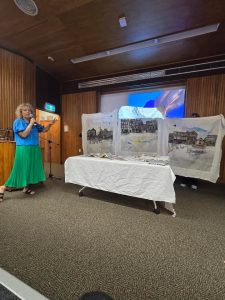
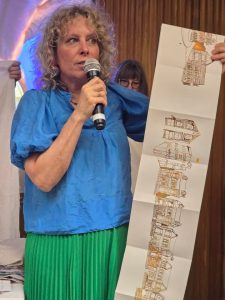
It was a true privilege to spend three inspiring days in Whanganui at the Whanganui Museum, attending the Costume and Textile Society of New Zealand Annual Symposium. I arrived expecting to learn about textile practices of the Southern Hemisphere and beyond, but I left with something much deeper, a renewed understanding of how textiles, identity, sustainability, and whakapapa are woven together in Aotearoa New Zealand.
One of the strongest impressions I took away from the symposium was the deep respect people in New Zealand hold for the origin of materials. Again and again, conversations returned to questions of provenance, sustainability, and kaitiakitanga the responsibility of caring for people, resources, and the environment for future generations. There was a thoughtful, future-focused approach to making that felt both practical and deeply ethical.
What also struck me was how naturally whakapapa seemed integrated into creative practice. Artists, makers, and researchers spoke not only about what they make, but where they come from, who taught them, and the histories carried within materials and processes. Textile practice here feels inseparable from community, memory, and belonging.
A personal highlight was getting to know Kate Sellars from UCOL. It is rare to form such genuine connections in such a short amount of time, and I am grateful for the generosity and warmth she shared throughout the symposium.
Over the three days, I was introduced to the work and legacy of respected New Zealand artists and practitioners such as Jo Torr and Michael McIntyre Martin. Their contributions helped broaden my understanding of contemporary textile discourse in Aotearoa and the many ways craft can hold cultural, political, and environmental meaning.
The symposium covered an extraordinary range of topics. I learned about wāhi tapu and cultural responsibility in textile practices; the refusal for certain fibres and materials to be commercially processed offshore in places such as Italy; op shop culture and the realities of our global throwaway society; and New Zealand’s remarkable home-sewing legacy that developed during the years of restricted imports before the late 1980s. There were also fascinating discussions about clothes-washing practices across the world driven by Sue Prescott of Massey University’s talk and the environmental impacts connected to everyday domestic routines.
More than anything, though, I found a deeply engaged and generous audience people who care passionately about textiles, sustainability, storytelling, and community. I left Whanganui with endless new contacts, fresh ideas, and a sense of genuine connection.
In many ways, I felt like I found my people.
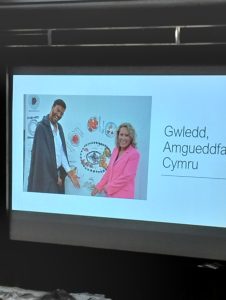
The symposium reminded me that textiles are never just textiles. As Philip Highes at Ruthin craft centre once said to me ‘craft is about people’. Textiles is about relationships, histories, responsibilities, and acts of care. I am deeply grateful to everyone who shared their knowledge, stories, and manaakitanga over those unforgettable three days in Whanganui. Very grateful to everyone who helped get me here. To Clare Regnault, Senior Curator of Te Papa who invited me to speak at symposium and for Sonya for encouraging me to apply. To Philip Hughes and Sam at Ruthin Crafts for supporting my grant application. For Rhian at Royal School of embroidery. For Wrecsam city of culture bid team for making me a cultural ambassador. For my Husband Russell for holding the fort at home. For Branwen at Wales Art International for awarding me a grant to travel. Diolch pawb am y cyflexx